Beyond Risk Mapping: Why Corporate Water Stewardship Projects are Critical for Supply Chain Security
Celeste Team
2026-04-01 · 10 min read
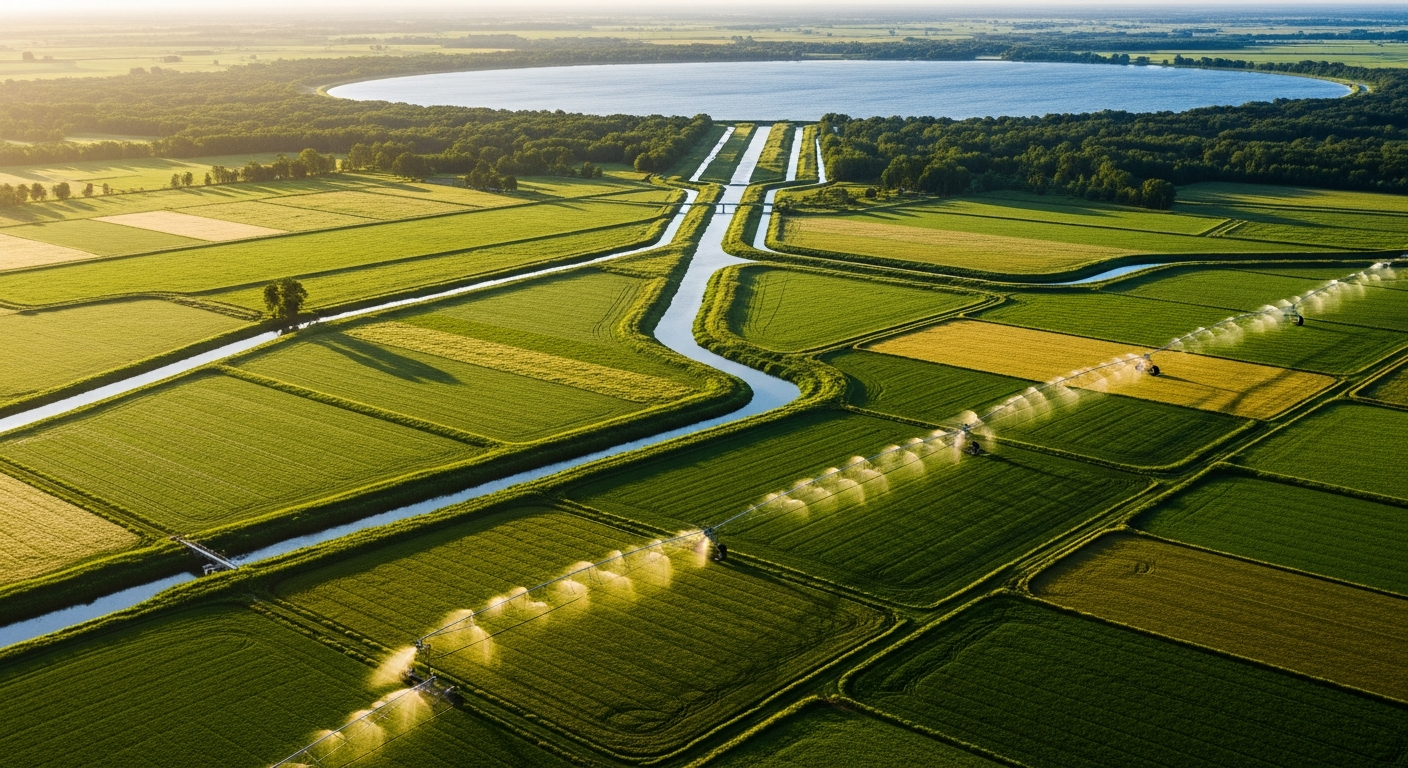
The corporate approach to water security is undergoing a necessary transformation. While mapping and measuring water risk within supply chains remains essential, leading companies recognize that securing long-term resilience requires far more than risk assessment alone. True water security is not achieved through internal efficiency improvements or superficial supplier engagement — it demands active corporate water stewardship through regional, basin-level initiatives. In an era of increasing water stress, companies must move beyond mapping risks to mitigating them through collaborative, place-based solutions.
The Limitations of Traditional Water Risk Management
Historically, companies have focused on internal efficiency improvements, circular water initiatives, and supplier risk mapping to build water security. While these measures help optimize water use within company-owned operations, they do little to address external water risks that can disrupt supply chains. In fact, the majority of water use — over 90% in some industries — is embedded deep in the supply chain, meaning that most corporate water risk lies outside a company's direct control and that companies that focus only on their direct operations are increasingly vulnerable to water disruptions beyond their facilities.
Today, regulatory pressure, reputational risks, and increasing water stress make it imperative that companies move beyond internal improvements and risk mapping to a deeper engagement with supply chain partners and regional water systems. This means moving away from the tiered approach that most companies have been employing, where water risk is measured and managed in their own operations before limited evaluations and solutions are extended to tier 1 and tier 2 suppliers.
While a useful starting point, the tiered approach has significant drawbacks. It often fails to deeply engage the most vulnerable suppliers — those with a high Time to Recovery (TTR). Overlooking these suppliers leads to a cascade of effects that are often the root cause of the water risks and insecurities in a company's direct and top tier supplier operations.
The Importance of TTR in Water Security
TTR is the time required for a supplier, facility, or transportation hub to restore full functionality after a disruption. It is a critical metric in water security because the longer it takes for a supplier to recover from a disruption, the greater the operational and financial impact on the company.
In supply chains, some of the highest-risk suppliers are those with long TTRs, even if they represent a relatively small portion of total procurement spend. Unfortunately, companies have often focused on suppliers where they invest the most money (top tier suppliers) rather than those with the longest TTRs and highest disruption risk.
By integrating TTR data with supply chain risk mapping, companies can identify and prioritize high-risk suppliers rather than simply categorize them by tier, which often overlooks the most vulnerable. This allows for a more targeted approach to water risk mitigation, ensuring that suppliers with long recovery times are supported through deeper engagement and resilience planning.
A TTR-based approach helps companies:
- Identify hidden vulnerabilities in their supply networks
- Quantify potential operational and financial impacts of water disruptions
- Develop proactive mitigation strategies, such as supplier diversification or basin-level water replenishment projects
- Ensure that supply chain resilience investments yield the highest return by focusing on the most critical points of failure
The Business Case for Collective Action
Beyond mitigating risk and building lasting water security, collective water stewardship offers significant business advantages:
- Regulatory Compliance: Governments are increasingly mandating corporate responsibility for water security. Engaging in basin-level projects helps companies stay ahead of evolving regulations.
- Investor Expectations: Leading ESG frameworks now assess companies not just on water risk awareness, but on concrete actions to address water security. Companies with strong stewardship initiatives often see improved ESG ratings and stronger stakeholder support.
- Supply Chain Stability: Place-based collaboration enhances long-term supplier relationships, reducing the likelihood of disruptions due to water stress.
- Reputation and Brand Value: Companies that actively engage in water security initiatives build public trust and reinforce their commitment to sustainability.
Conclusion: Moving Toward a Water-Secure Future
As climate change continues to exacerbate water stress, the need for basin-level collaboration is more urgent than ever. Companies must move beyond risk mapping and internal efficiency measures to actively participate in multi-stakeholder water stewardship projects. By prioritizing high-risk suppliers using TTR metrics, investing in place-based initiatives, and forming strategic collaborations, businesses can ensure supply chain resilience, regulatory compliance, and long-term operational security.
In a world where water is both a shared resource and a shared risk, corporate water stewardship is not just a responsibility — it is a business imperative.
Start your Water Stewardship Journey with Celeste. Schedule a demo to learn how we help organizations quantify, prioritize, and mobilize capital for water resilience.
Celeste Team
The Celeste team writes about water risk, climate finance, and enterprise resilience strategy. We help organizations make water a financial decision.